Soil Science and Sustainable Agriculture: A Comprehensive Course

Soil Science and Sustainable Agriculture is a comprehensive course designed to equip learners with the knowledge and skills needed to understand the critical role of soil in agriculture and the environment. This course covers the fundamental principles of soil science, including soil formation, classification, properties, and management practices that promote sustainable agricultural practices. Through a combination of theoretical concepts and practical applications, learners will explore topics such as soil fertility, nutrient management, soil conservation, and the impact of soil health on crop production and environmental sustainability. The course also emphasizes the importance of sustainable land use practices, soil conservation techniques, and the integration of modern technologies in soil management. By the end of this course, participants will have a solid understanding of soil science and its application in sustainable agriculture, enabling them to make informed decisions that contribute to food security, environmental conservation, and the overall health of our planet.

What You Will Learn:

  • Introduction to soil science: Understand the basics of soil formation, composition, and classification. Learn about the different types of soils and their properties.
  • Soil fertility and nutrient management: Explore the essential nutrients required for plant growth. Learn how to assess soil fertility and implement effective nutrient management practices to enhance crop yields.
  • Soil conservation techniques: Discover various soil conservation methods to prevent soil erosion and degradation.
  • Sustainable land use practices: Understand the principles of sustainable agriculture and how to apply them in soil management. Learn about crop rotation, cover cropping, and agro-forestry as strategies to improve soil health and productivity.
  • Soil health assessment: Learn how to evaluate soil health using various indicators. Understand the importance of soil microbiology and its role in nutrient cycling and soil fertility.
  • Modern technologies in soil management: Explore the use of precision agriculture, remote sensing, and soil mapping technologies to optimize soil management practices. Learn how to leverage data and technology for better decision-making in soil management.
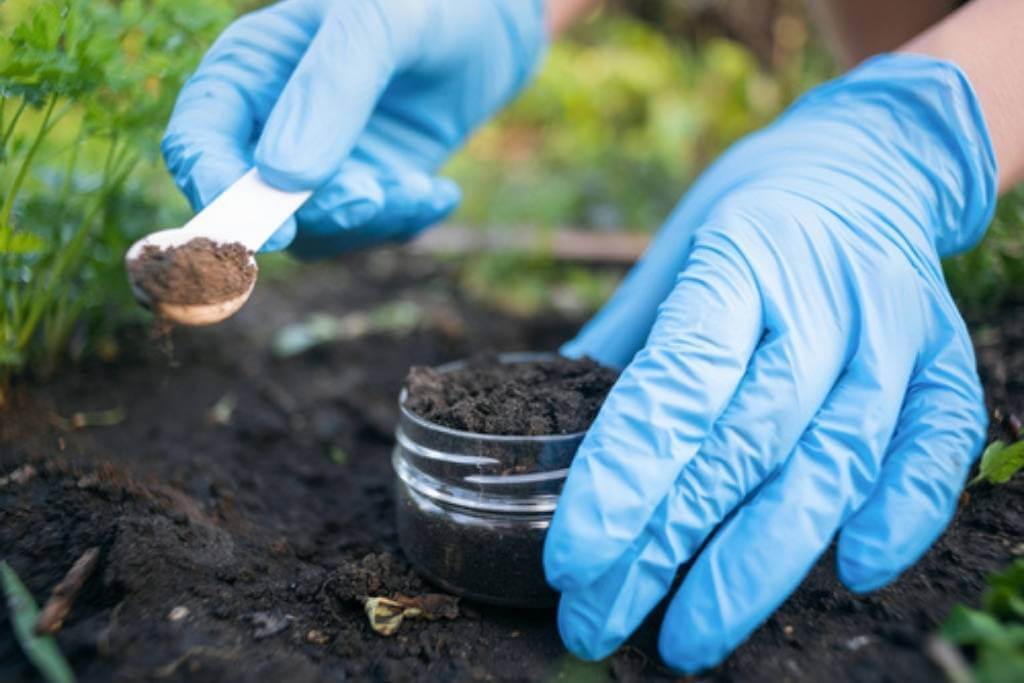
  • Practical applications: Engage in hands-on activities and case studies to apply the concepts learned in real-world scenarios. Develop skills in soil sampling, analysis, and interpretation of soil data.

Why Choose This Course:

  • Comprehensive Curriculum: This course covers a wide range of topics in soil science and sustainable agriculture, providing you with a solid foundation in the subject. From soil formation to modern technologies, you'll gain a holistic understanding of the field.
  • Expert Instructors: Learn from experienced professionals in soil science and sustainable agriculture. Our instructors bring real-world expertise and practical insights to the course, ensuring you receive high-quality education.
  • Hands-On Learning: Engage in practical activities and case studies that allow you to apply theoretical concepts in real world scenarios. Develop skills in soil sampling, analysis, and interpretation of soil data, enhancing your practical understanding of soil science.
  • Certification: Receive a certificate of completion that validates your skills and enhances your resume.
  • Supportive Community: Benefit from a supportive learning environment with access to the course forum, where you can ask questions, share insights, and collaborate with fellow learners.
Ideal For:
  • Beginners who want to start a career in soil science, agriculture, or environmental studies.
  • Professionals seeking to enhance their knowledge of sustainable agriculture and soil management practices.
  • Farmers, agronomists, and land managers interested in improving soil health and crop productivity.
  • Anyone passionate about environmental conservation and the role of soil in ecosystem sustainability.
Enroll Today:
  • Take the first step towards mastering soil science and sustainable agriculture. Enroll in our course today and unlock a world of knowledge and opportunities in this critical field.

Join us in making a positive impact on agriculture and the environment through sustainable soil management practices.

Curriculum

Definition and scope of soil science30:25🔒
Importance of soils in agriculture, ecology, and environmental sustainability25:40🔒
Historical development and pioneers in soil science20:15🔒

Factors influencing soil formation (parent material, climate, organisms, topography, time - CLORPT)35:15🔒
Soil profile characteristics (horizons, layers)28:40🔒
Soil classification systems (USDA soil taxonomy, soil orders)18:20🔒

Soil texture and structure26:45🔒
Soil particle size distribution and their effects38:20🔒
Soil water retention and movement (porosity, permeability)22:15🔒

Soil composition (mineral and organic components)31:50🔒
Soil pH and buffering capacity27:35🔒
Nutrient availability and soil fertility19:40🔒

Soil organisms (microorganisms, fungi, bacteria, earthworms, etc.)34:50🔒
Soil food web and nutrient cycling21:30🔒
Role of soil biota in ecosystem services26:15🔒

Soil erosion control and conservation techniques36:40🔒
Soil fertility management (fertilization, organic matter addition)28:15🔒
Sustainable agriculture practices (cover cropping, crop rotation)22:30🔒

Methods for soil sampling and analysis32:20🔒
Interpretation of soil test results29:15🔒
Soil health assessment and monitoring24:40🔒

Soil contamination and pollution sources30:10🔒
Remediation techniques for contaminated soils33:45🔒
Impact of agriculture and land use on soil quality38:20🔒

Principles of soil conservation (e.g., terracing, contour plowing)35:15🔒
Sustainable land management practices42:10🔒
Watershed management and soil erosion control31:25🔒

Urban soil characteristics and management35:15🔒
Soil rehabilitation in industrial areas42:10🔒
Green infrastructure and urban agriculture31:25🔒

Impact of climate change on soils35:15🔒
Carbon sequestration and soil greenhouse gas emissions42:10🔒
Mitigation and adaptation strategies in soil management31:25🔒

Soil-plant interactions and nutrient uptake mechanisms35:15🔒
Soil biodiversity conservation and restoration42:10🔒
Emerging technologies in soil research31:25🔒

Real-world examples of soil science applications35:15🔒
Case studies in sustainable soil management42:10🔒
Field trips and hands-on soil sampling exercises31:25🔒

Government policies and regulations related to soil conservation35:15🔒
Advocacy for sustainable soil management practices42:10🔒
International initiatives and agreements on soil health31:25🔒

Definition and importance of soil science28:45🔒
Historical development and key figures22:30🔒
Role of soils in ecosystems and agriculture18:15🔒
Basic soil terminology and concepts15:20🔒

Processes of soil formation (weathering, organic matter accumulation)32:10🔒
Soil forming factors: parent material, climate, organisms, topography, time24:35🔒
Basic soil classification systems36:50🔒
Soil horizons and profiles29:25🔒

Soil texture: sand, silt, and clay00:00🔒
Soil structure: aggregation and types of soil structure00:00🔒
Soil density and porosity00:00🔒
Soil water: field capacity, wilting point, and available water00:00🔒

Soil pH and its importance00:00🔒
Soil nutrients and their availability00:00🔒
Cation exchange capacity (CEC)00:00🔒
Soil salinity and alkalinity00:00🔒

Soil organisms: bacteria, fungi, protozoa, nematodes, earthworms00:00🔒
Role of soil organisms in nutrient cycling and soil health00:00🔒
Soil organic matter and humus00:00🔒
Soil microbial activity and biodiversity00:00🔒

Essential plant nutrients and their functions00:00🔒
Soil testing and nutrient analysis00:00🔒
Fertilizer types and application methods00:00🔒
Integrated nutrient management (INM)00:00🔒

Soil moisture regimes and their importance00:00🔒
Irrigation methods and scheduling00:00🔒
Drainage and waterlogging issues00:00🔒
Soil water conservation techniques00:00🔒

Soil erosion: causes, types, and control measures00:00🔒
Conservation tillage and cover cropping00:00🔒
Soil restoration and reclamation00:00🔒
Sustainable land management practices00:00🔒

Advanced soil physical properties and processes00:00🔒
Soil water movement and hydrology00:00🔒
Soil-plant-atmosphere interactions00:00🔒
Modeling soil water dynamics00:00🔒

Soil colloids and surface chemistry00:00🔒
Soil redox reactions00:00🔒
Soil contamination and remediation00:00🔒
Advanced techniques in soil chemical analysis00:00🔒

Root-soil interactions and rhizosphere dynamics00:00🔒
Soil influences on plant growth and development00:00🔒
Nutrient uptake mechanisms00:00🔒
Soil amendments and plant health00:00🔒

Principles and methods of soil surveying00:00🔒
Soil mapping and geographic information systems (GIS)00:00🔒
Land capability and suitability assessment00:00🔒
Soil data interpretation and land use planning00:00🔒
Price
From

₹3500

Courses Title
Soil Science
Lessons
16 Videos
Language
English
Course Level
Beginner
Reviews
4.7(5.5k)
Quizzes
08
Duration
7 Weeks
Students
2.5k
Certifications
Yes
Pass Percentage
88%
Deadline
01 Jun, 2024
Instructor
Denial Lie
See All Reviews
FAQs

The course duration is of 2 months & some course may extend to 3 months

Yes at the end of the course completion you will get certificates.

ABCPanda team will arrange a doubt clearance session accordingly.

Yes, for Recorded sessions & Live sessions access would be 1 year

No our mentors will teach from basic. If you have experience, it would add an advantage.